Holding The Street
Trailer 1 - Holding The Street (2026).
TRAILERS
Trailer 2 - Holding the Street (2026).
Holding The Street (2026)
92min; b&w; 4K; stereo; English with German subtitles.
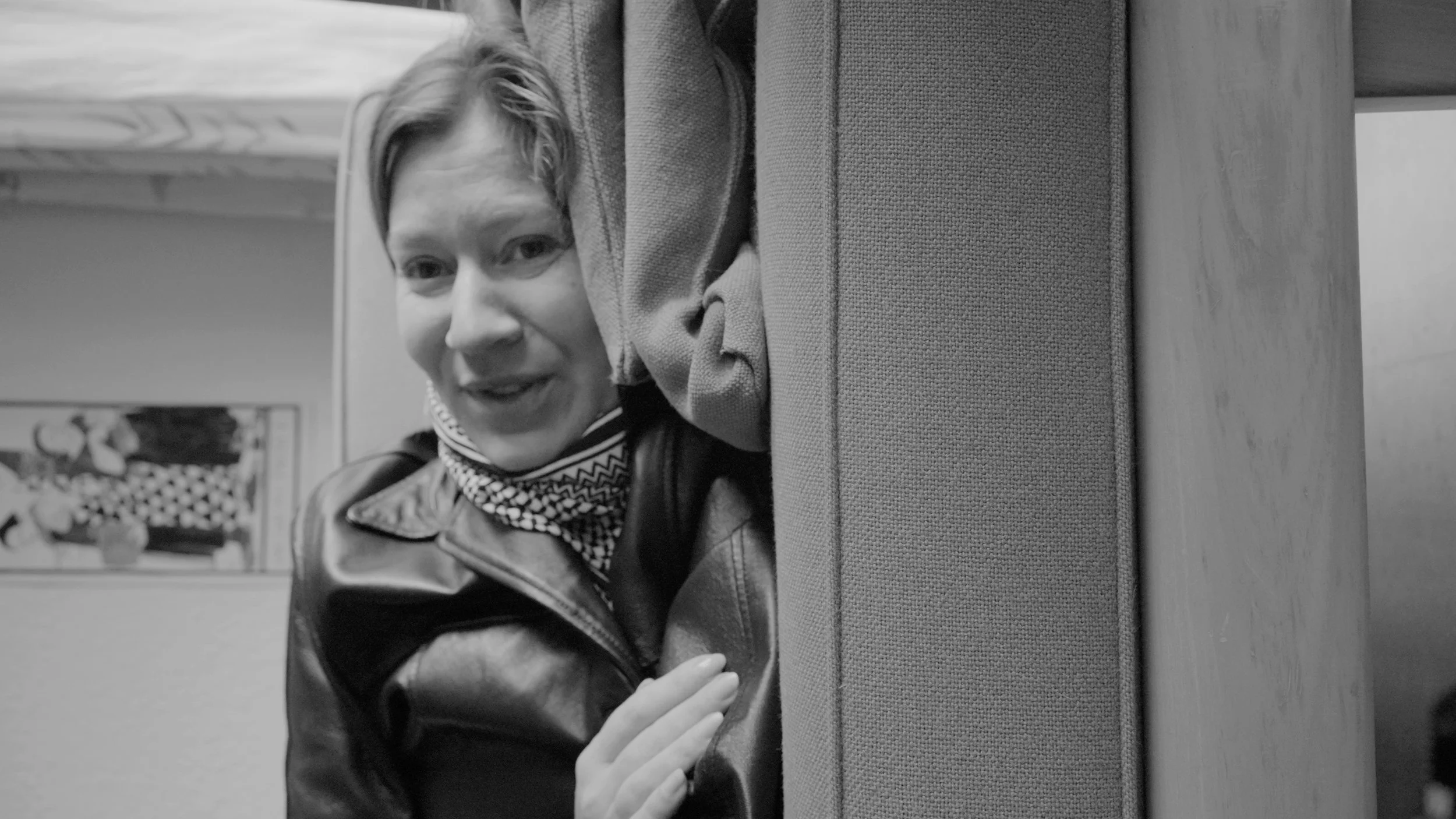
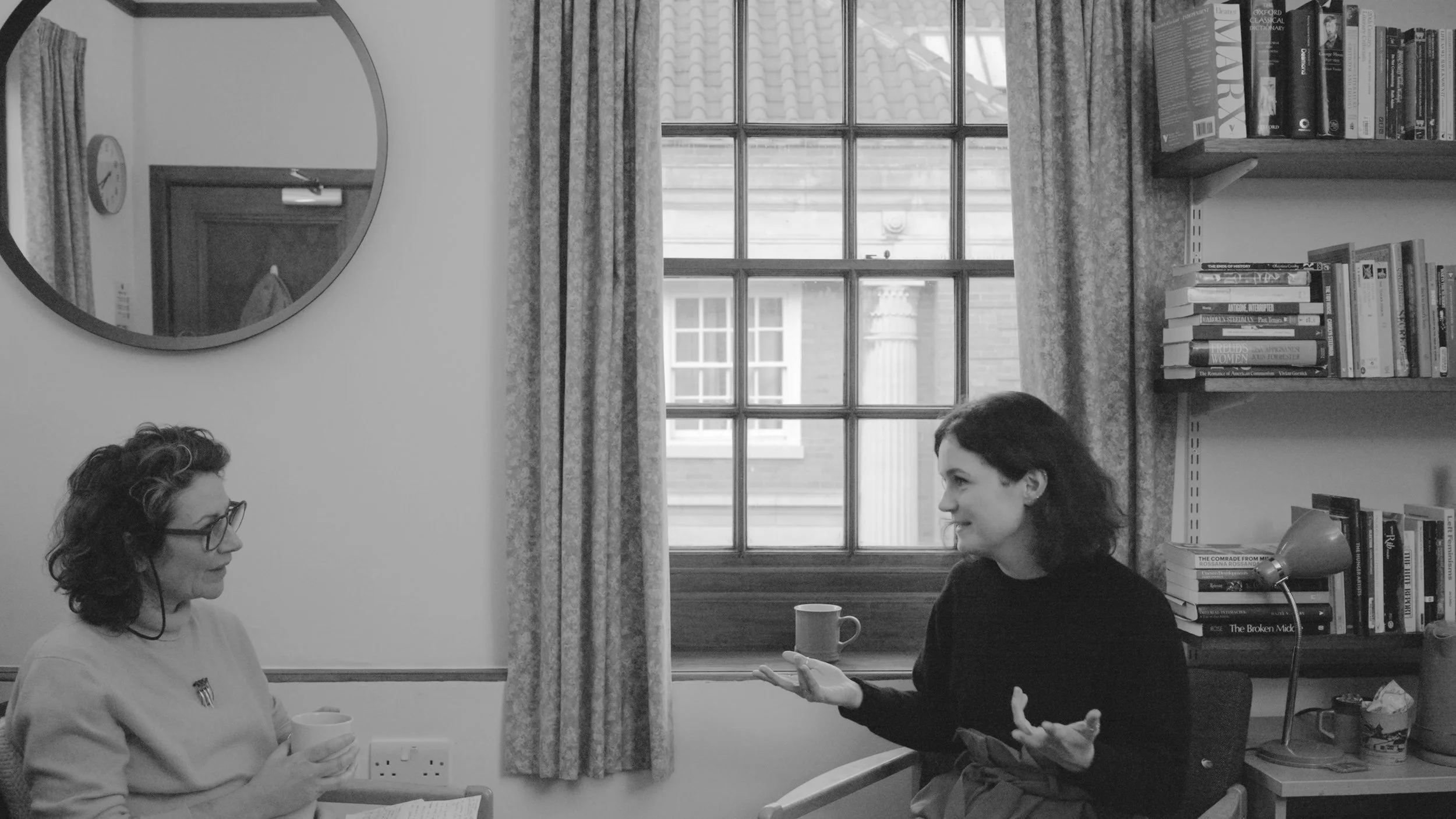
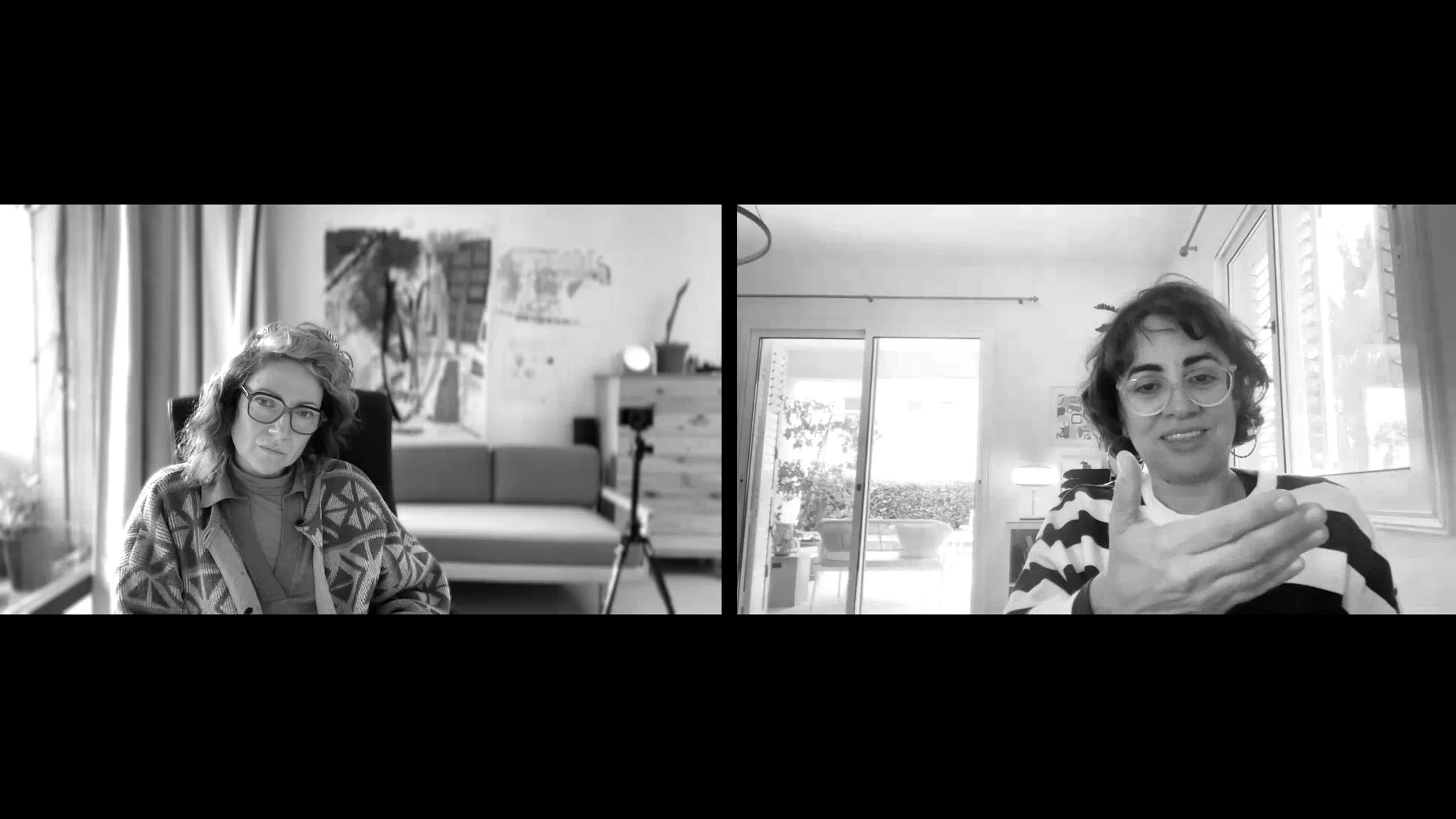
Holding The Street is an intimate documentary made using an approach of 'not-knowing'. Throughout 2025 Lyndsay recorded informal and accessible conversations with writers, researchers, artists, and organisers, who have professional and personal experience of culture's relationship to state repression.
The film utilises lo-fi and experimental methods to share the vulnerabilities of these conversations with the viewer.
The process of political inquiry in Holding The Street is situated within embodied, everyday acts of tending; care is the ground from which solidarity grows.
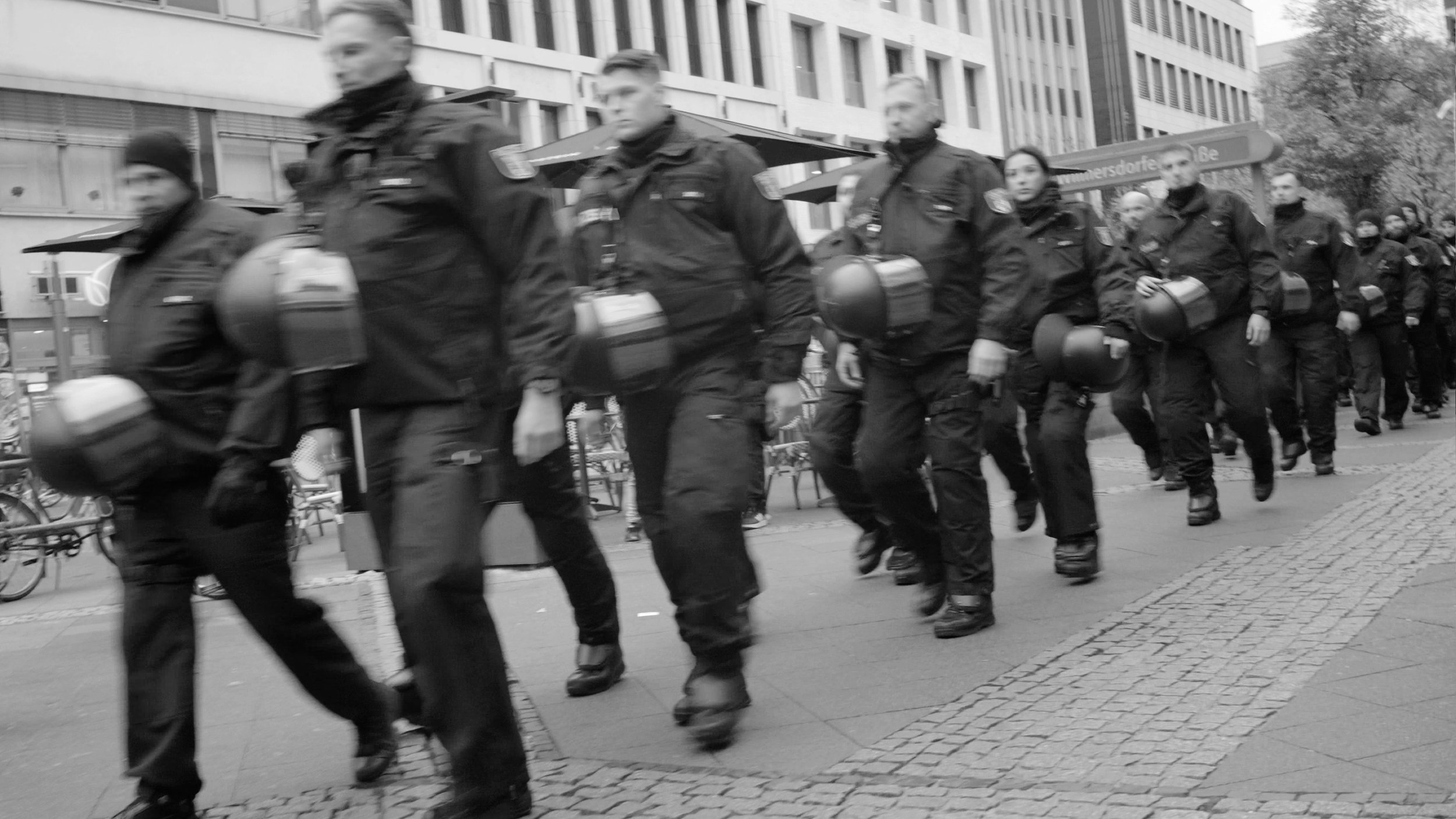
Drawing on historical precedents in the UK and Germany, the film examines contemporary institutional demands for alliance and failure to acknowledge power during times of crisis. It also queries what forms of resistance remain open to us when we have caring responsibilities for our own and others’ bodies.
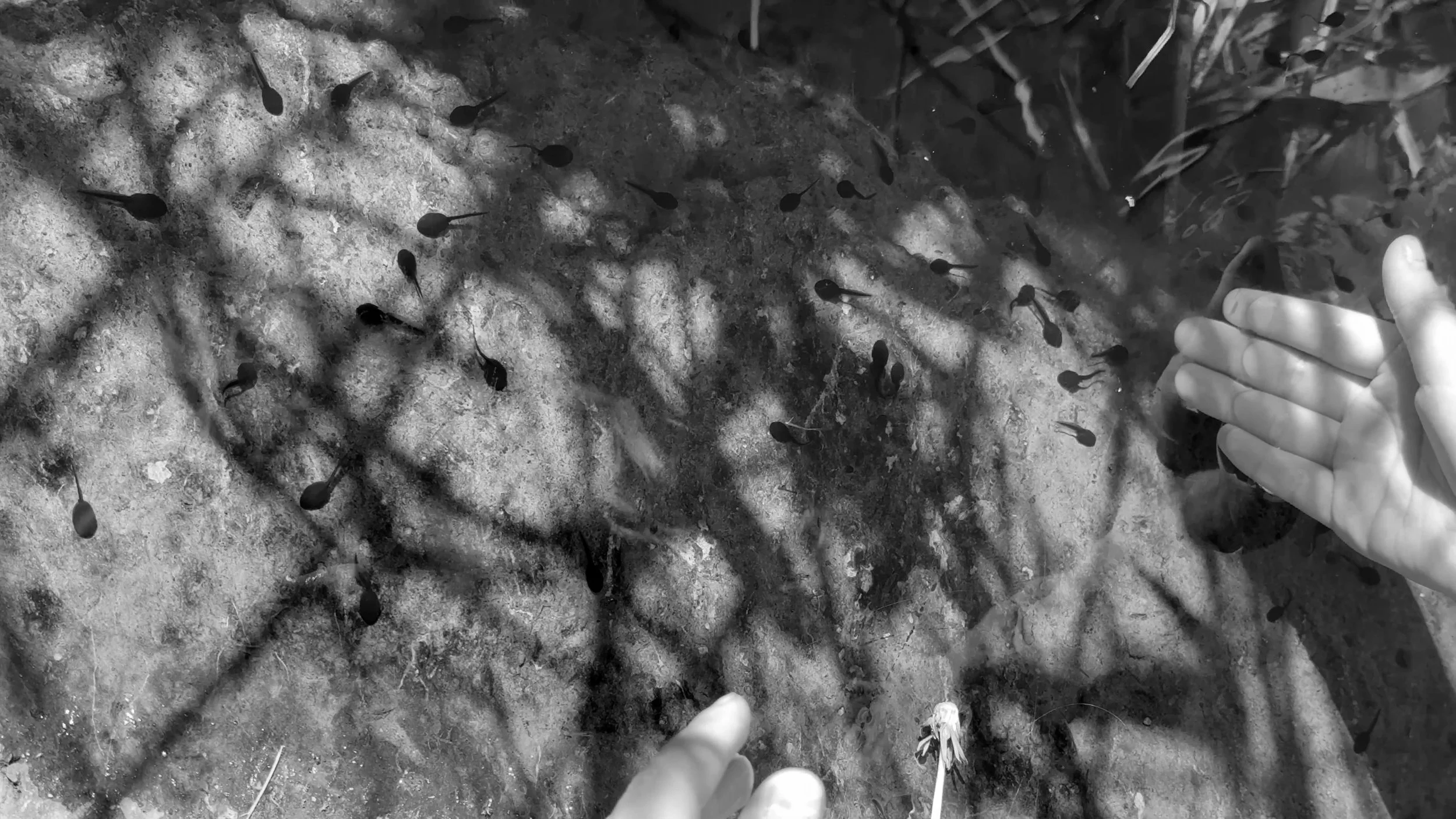
above: Holding The Street, (video still, 2026).
cont.
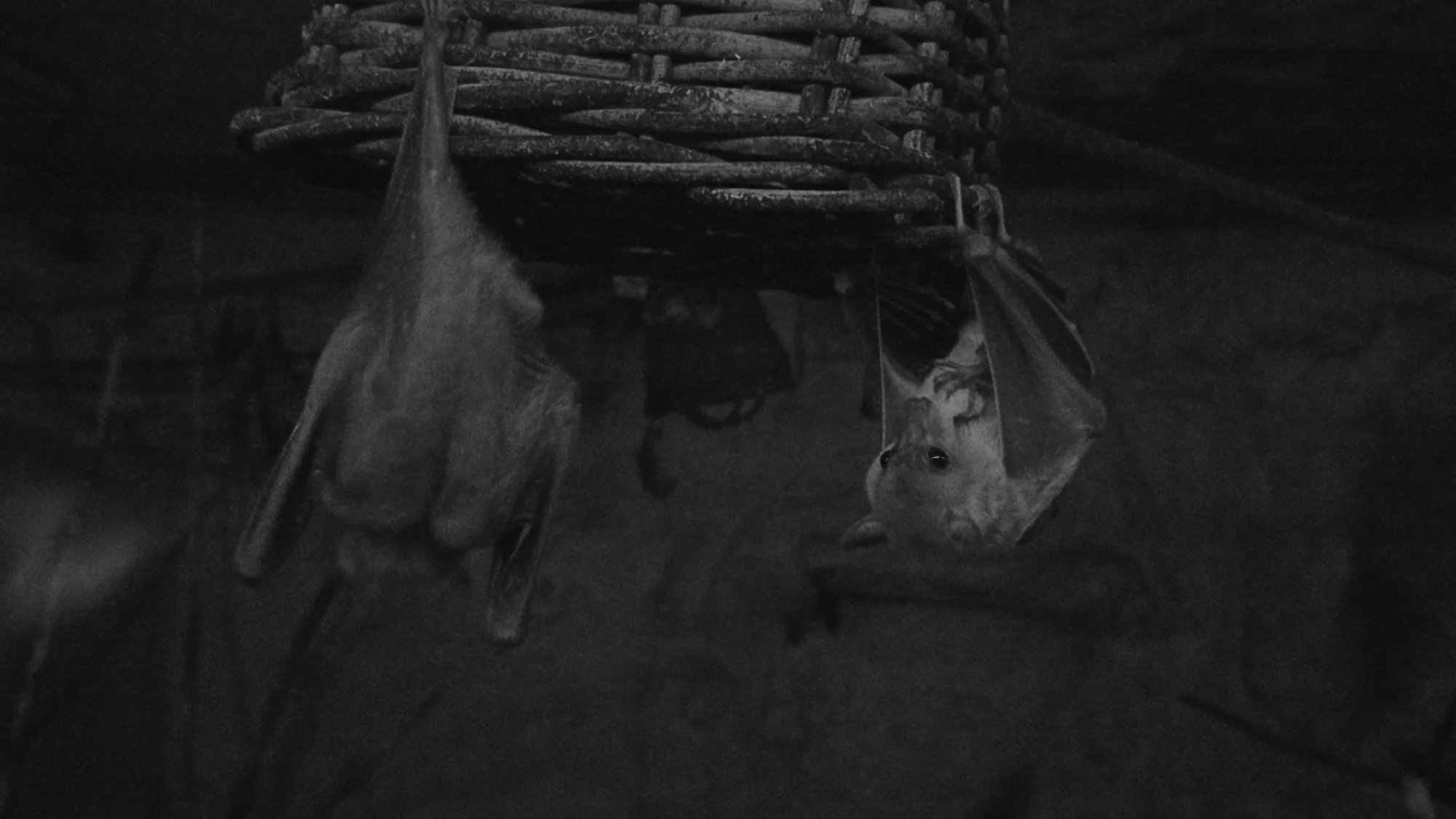
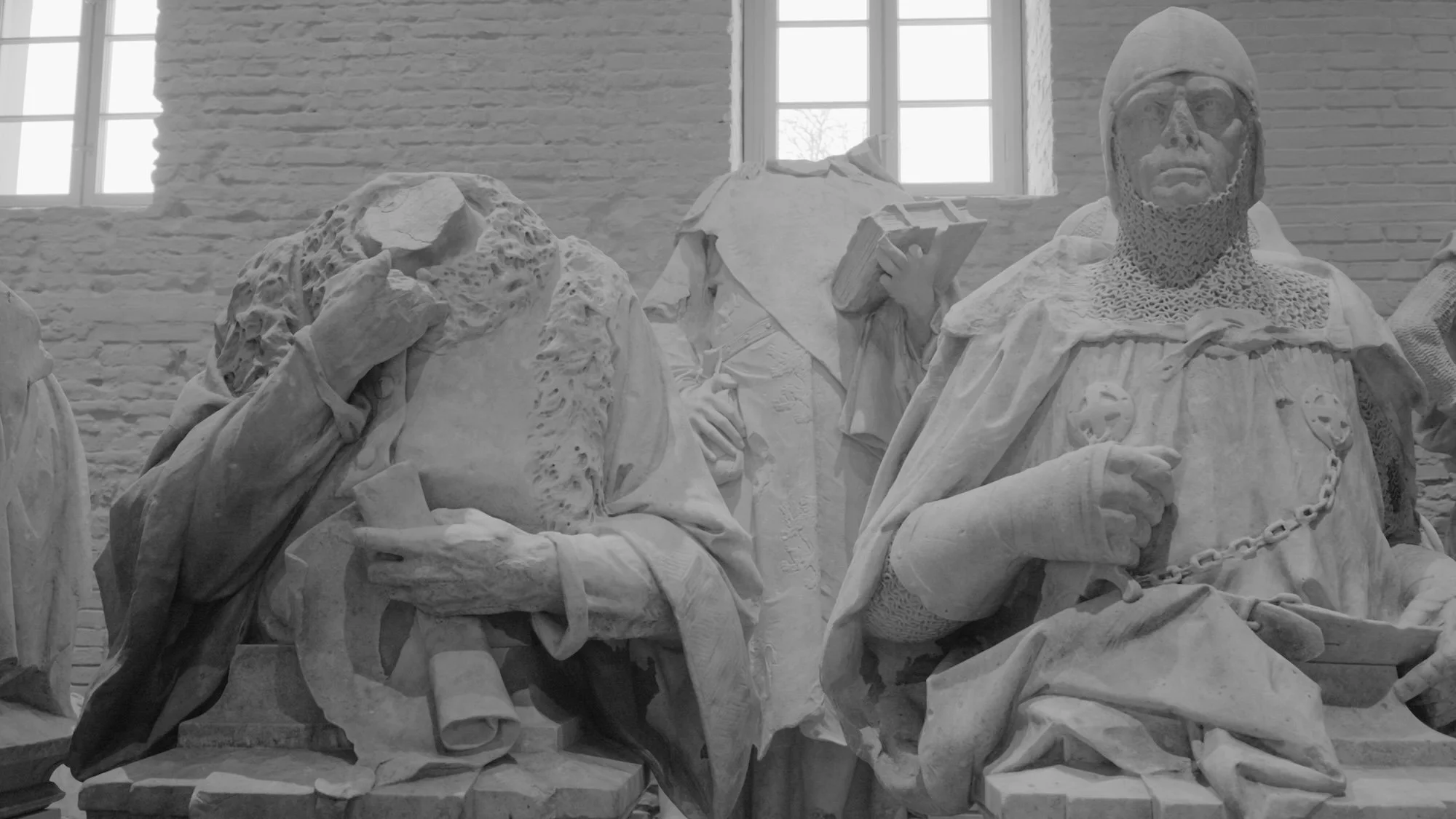
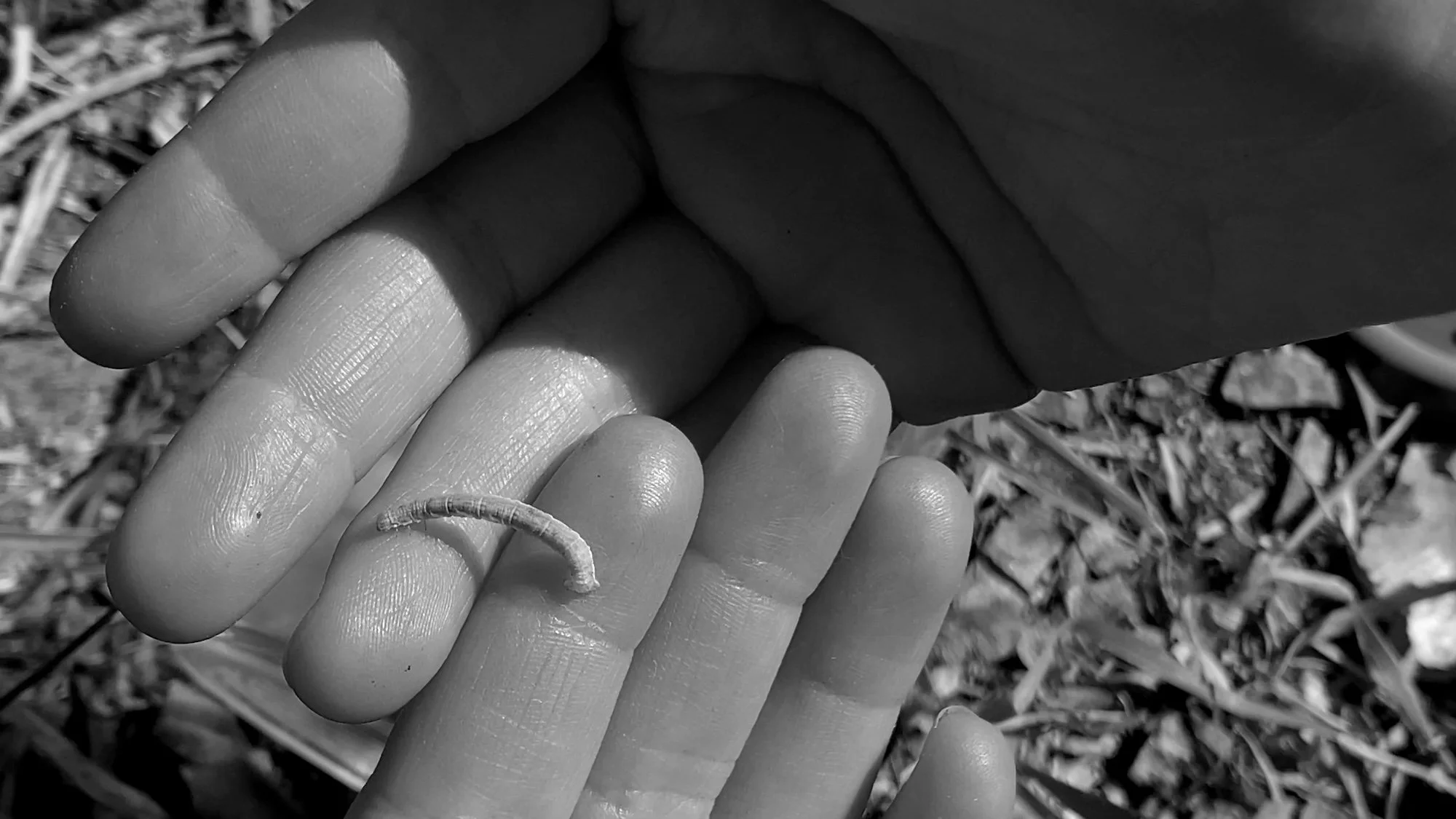
Filming takes place across multiple domestic and workplace locations, including Berlin's Spandau Citadel - a fortress-turned-archive. The Citadel is home to live bat enclosures, and statues removed from public spaces by successive German governments between 1849 and 1986. These related images anchor the film's meditation on history and erasure. Monumental figures stand as silent overseers while echolocation becomes a metaphor for the film's approach of seeking alternative modes of engagement to navigate dark times.
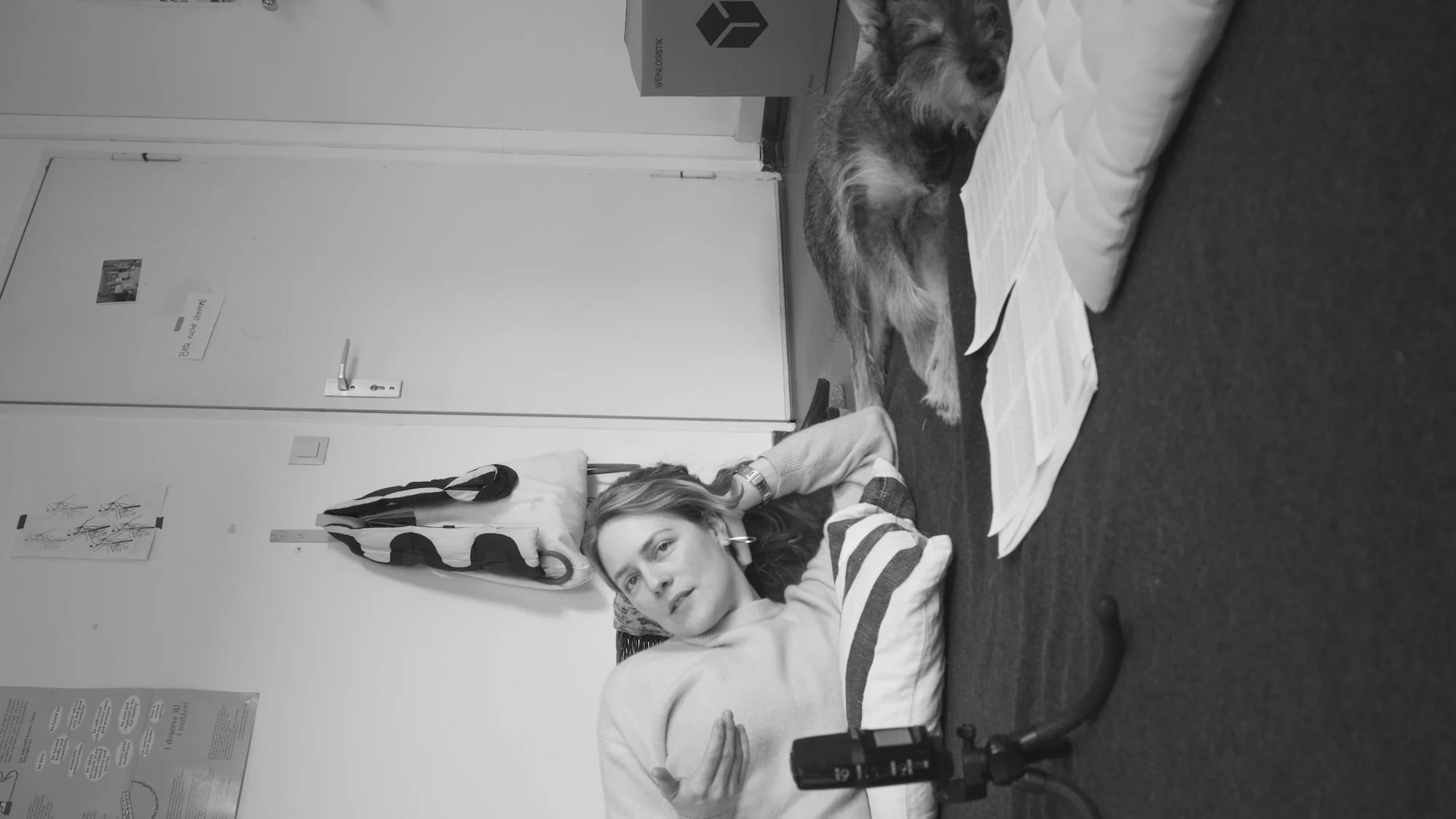
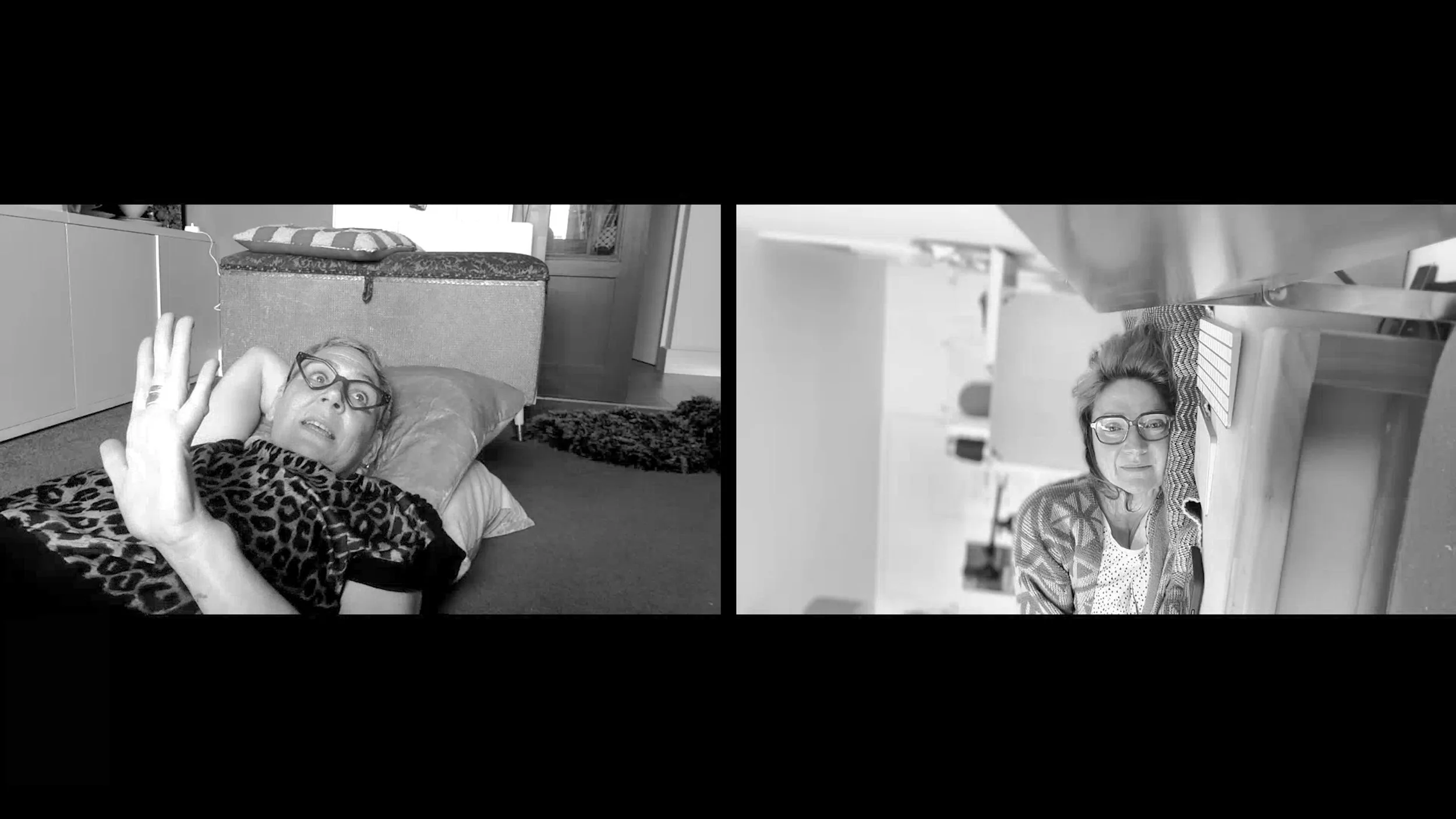
Conversations address deservingness, caring roles, chronic illness, censorship, and solidarity. Many recordings occur while speakers lie down, paralleling fatigued, toppled, and birthing bodies. The vulnerable body is framed as a site of collective knowing.
Holding The Street documents personal stories of being silenced and collective strategies of resisting coercion and censorship, pursuing a language of political practice uninhibited by institutional vocabularies.
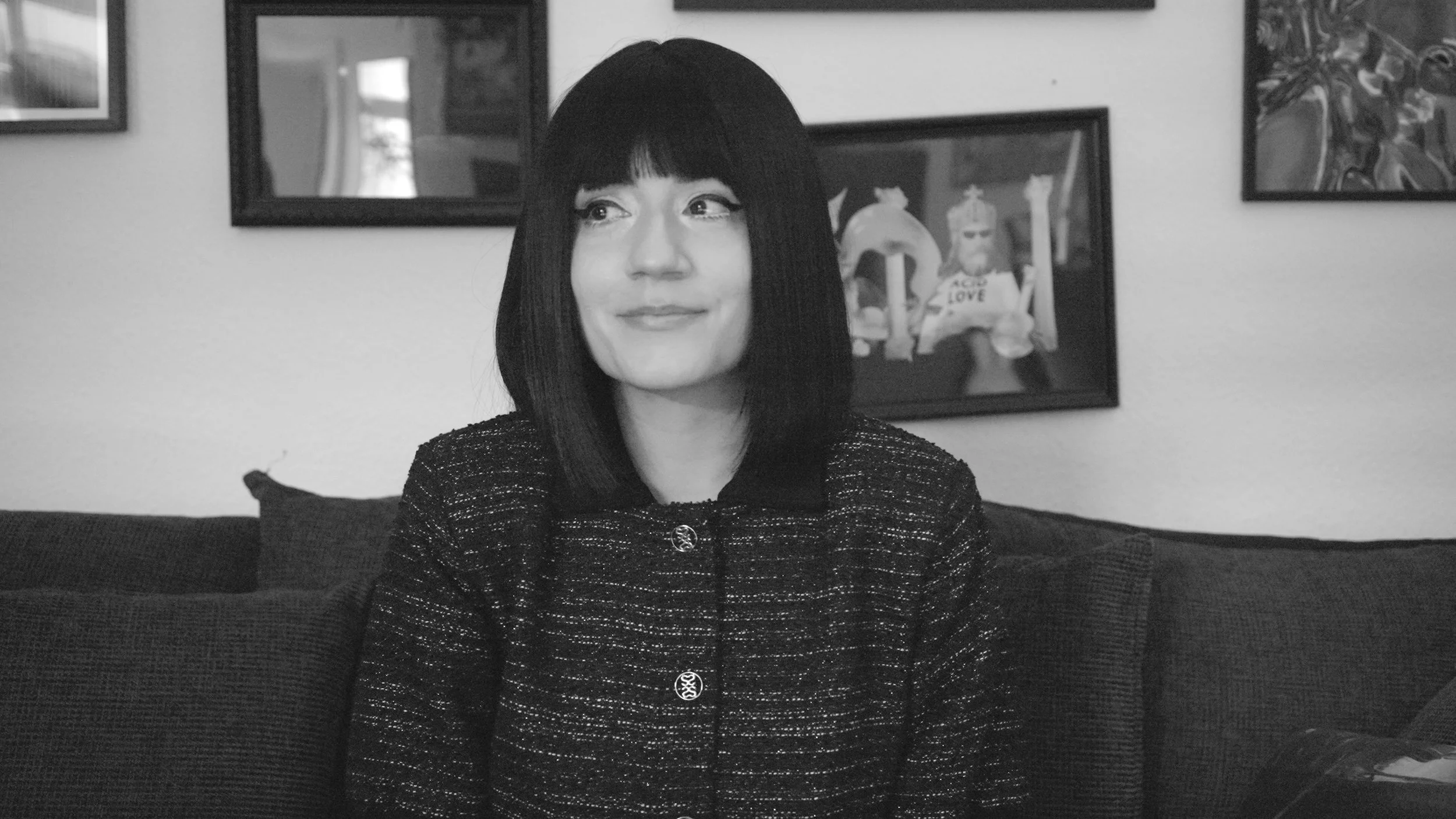
Contributors [bios below]: Nicky Böhm (Berlin); Helen Charman (Glasgow/Cambridge); Sophie Dimitriou (Berlin); Ute Frevert (Berlin); Nora Heidorn (Berlin/Vienna); Clare Hemmings (London); Zoe C Miller, (Berlin); Tamar Novick (Berlin/Munich); Hanan Toukan (Berlin/Cyprus); Andy Vantino (Berlin).
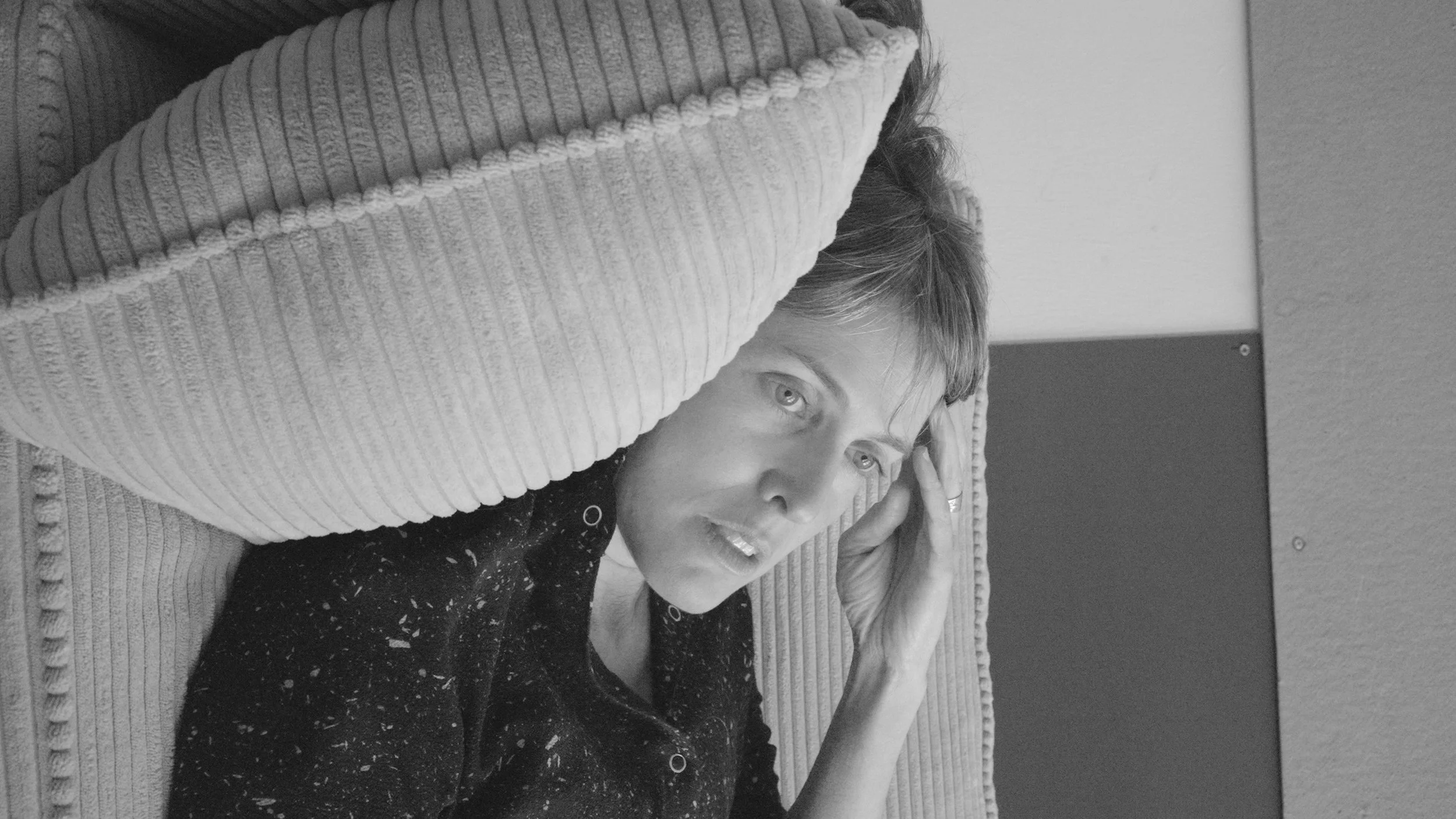
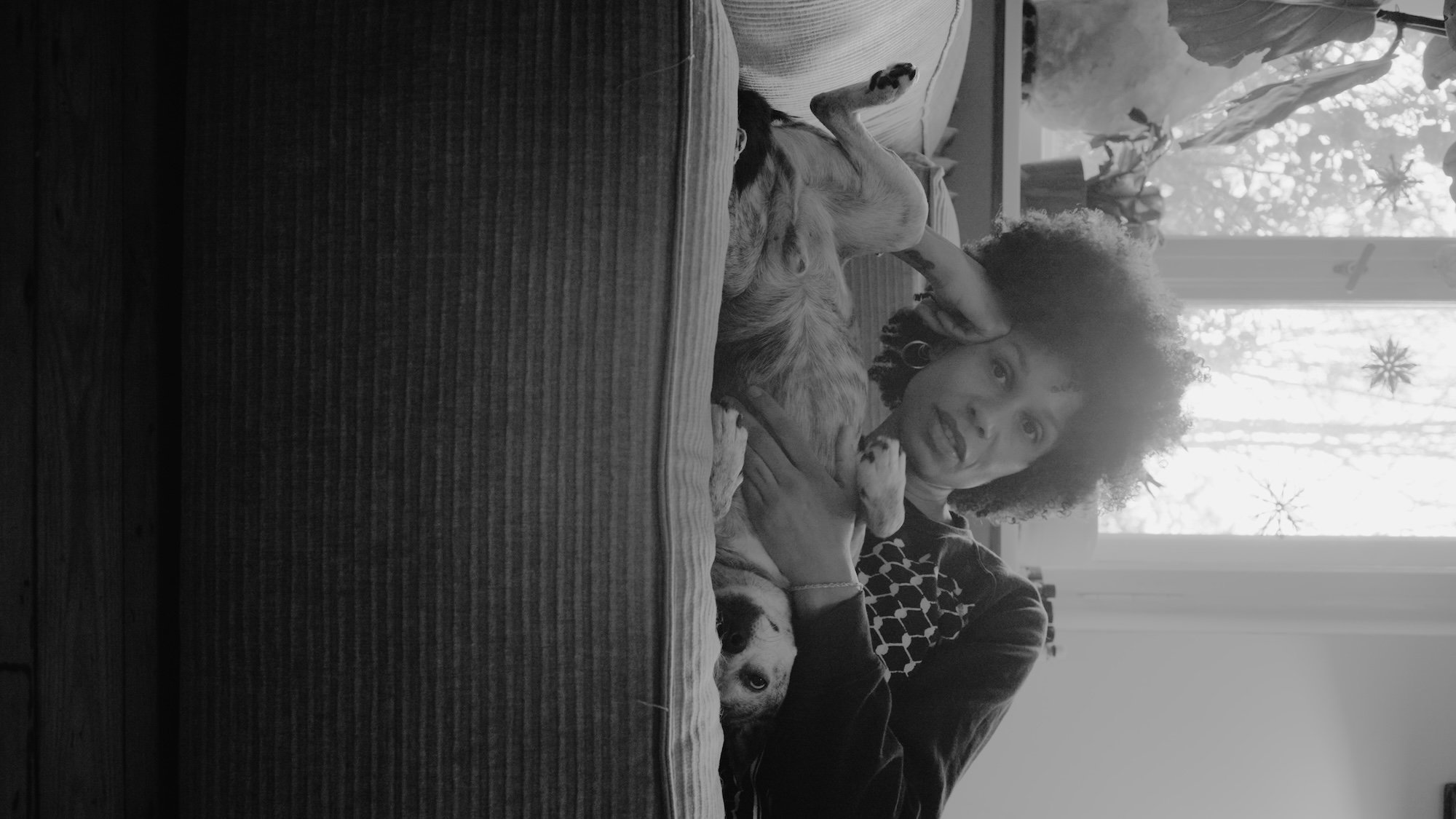
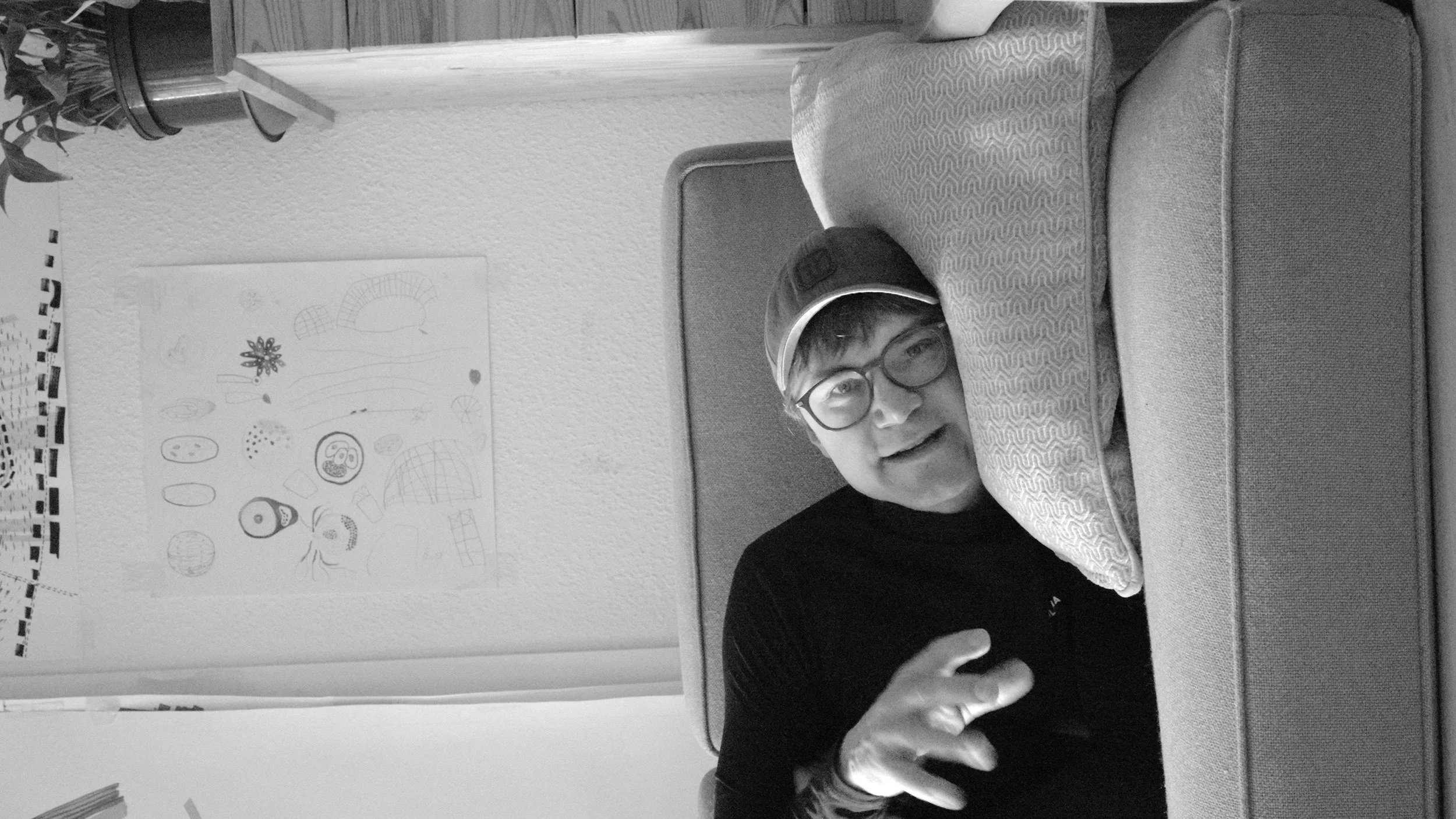
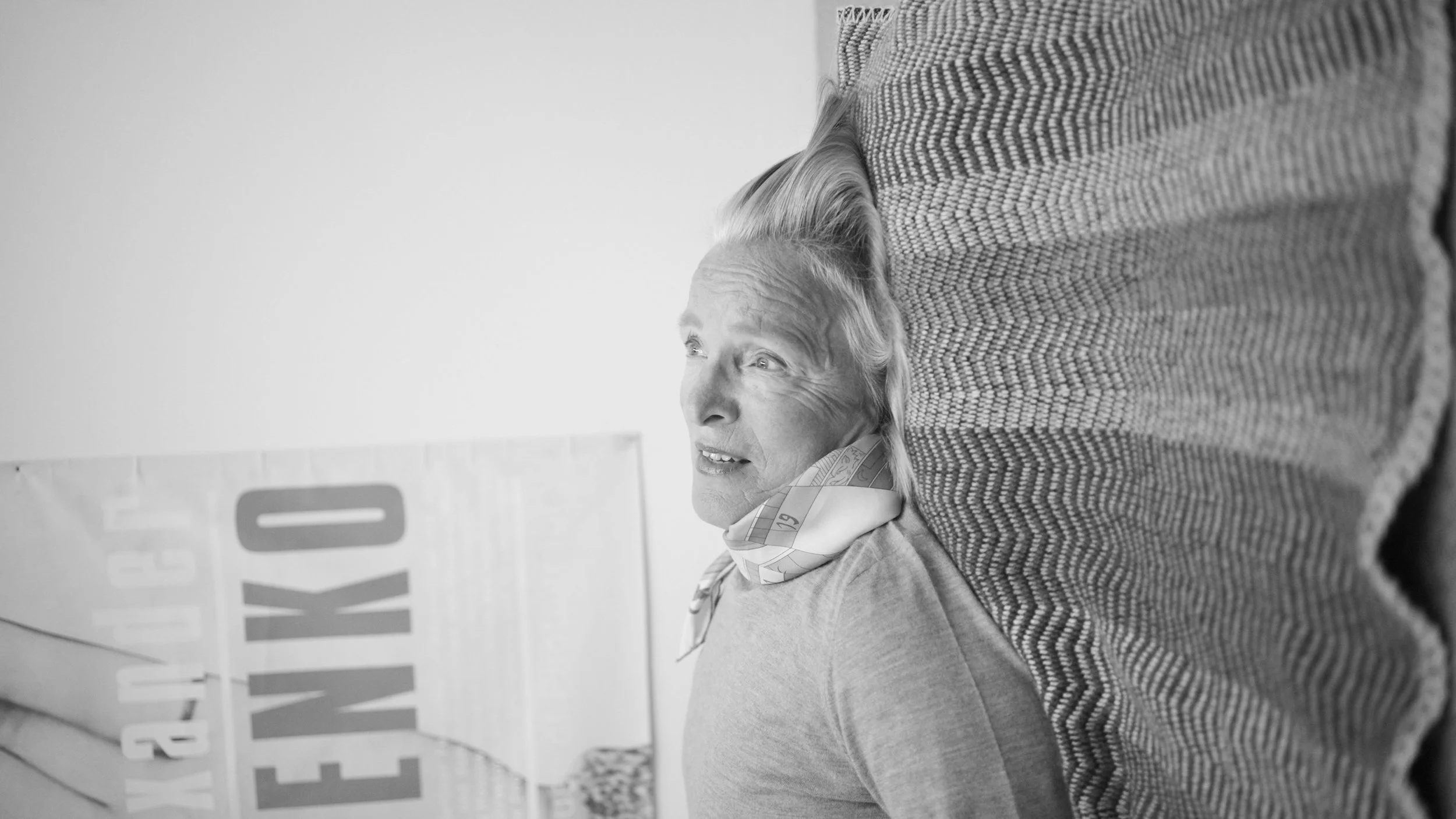
Ute Frevert is Professor Emeritus at the Max Planck Institute in Berlin. Her research includes modern social, political and cultural history. In 2008, Ute established the Center for the History of Emotions at the Max Planck Institute for Human Development, where she was director until 2024.
Helen Charman is a writer and affiliated Lecturer in the Faculty of English at the University of Cambridge. Her book, Mother State: a political history of motherhood, was published by Penguin in 2024. Helen also volunteers as a birth companion in Glasgow.
Sophie Dimitriou is a designer and activist in Berlin. In 2023, she founded Berlin Buyers Club, an art-activist collective raising awareness of Long COVID, ME/CFS & other infection-associated chronic diseases.
Zoe C Miller is an artist and organiser in Berlin. In 2024 she left her role on the board of Berlin’s artists’ union, bbk, (berufsverband bildender künstler*innen), due to the organisation's collusion with state censorship in the arts.
Clare Hemmings is Professor of Feminist Theory at the London School of Economics and Political Science. In 2025, Clare gave the opening lecture for the conference, Mobilizing Affect – Affective Mobilization, at the Institute for Cultural Inquiry in Berlin.
Nicky Böhm is the Director of Hejmo and Vice-Chair of lilipad, two Berlin-based nonprofits that create community for people on the move through social art projects. Her work sits at the intersection of education, collective care, and organising, with a focus on creative storytelling, co-authorship, and advocacy.
Andy Vantino is a journalist from Berlin. Born and raised in the GDR, German Democratic Republic, his formative childhood years were lived under dictatorship. Since 2023, he has been documenting state violence against voices of resistance and Palestine solidarity in Germany.
Nora Heidorn is a practice-based post-doctoral researcher in the Department of Cultural and Literary Studies at the University of Vienna. Her project, Being Horizontal, examines imagery of reclined and inclined bodies that contest ideals of the singular, upright, able-bodied white man gazing forward.
Tamar Novick* is an assistant professor of the history of technology at the Technical University of Munich. Her book, Milk and Honey: Technologies of Plenty in the Making of a Holy Land, was published in 2023 by MIT Press, and won the 2024 George Perkins Marsh Prize for best book in environmental history.
Hanan Toukan* is a writer and professor of Middle East Studies and Cultural Studies in Berlin and Cyprus. Hanan’s book, The Politics of Art: Dissent and Cultural Diplomacy in Lebanon, Palestine and Jordan, was published with Stanford University Press in 2021.
*Hanan and Tamar are both founding members of the PJA,
“an Association of Palestinian and Jewish Academics with personal, professional, and institutional ties to Germany and other German-speaking countries. The PJA was organised to counter the development of repressive discourses, policies, and actions related to Palestine/Israel.”
- Association of Palestinian and Jewish Academics.